
Day 9: The Macabulos Family
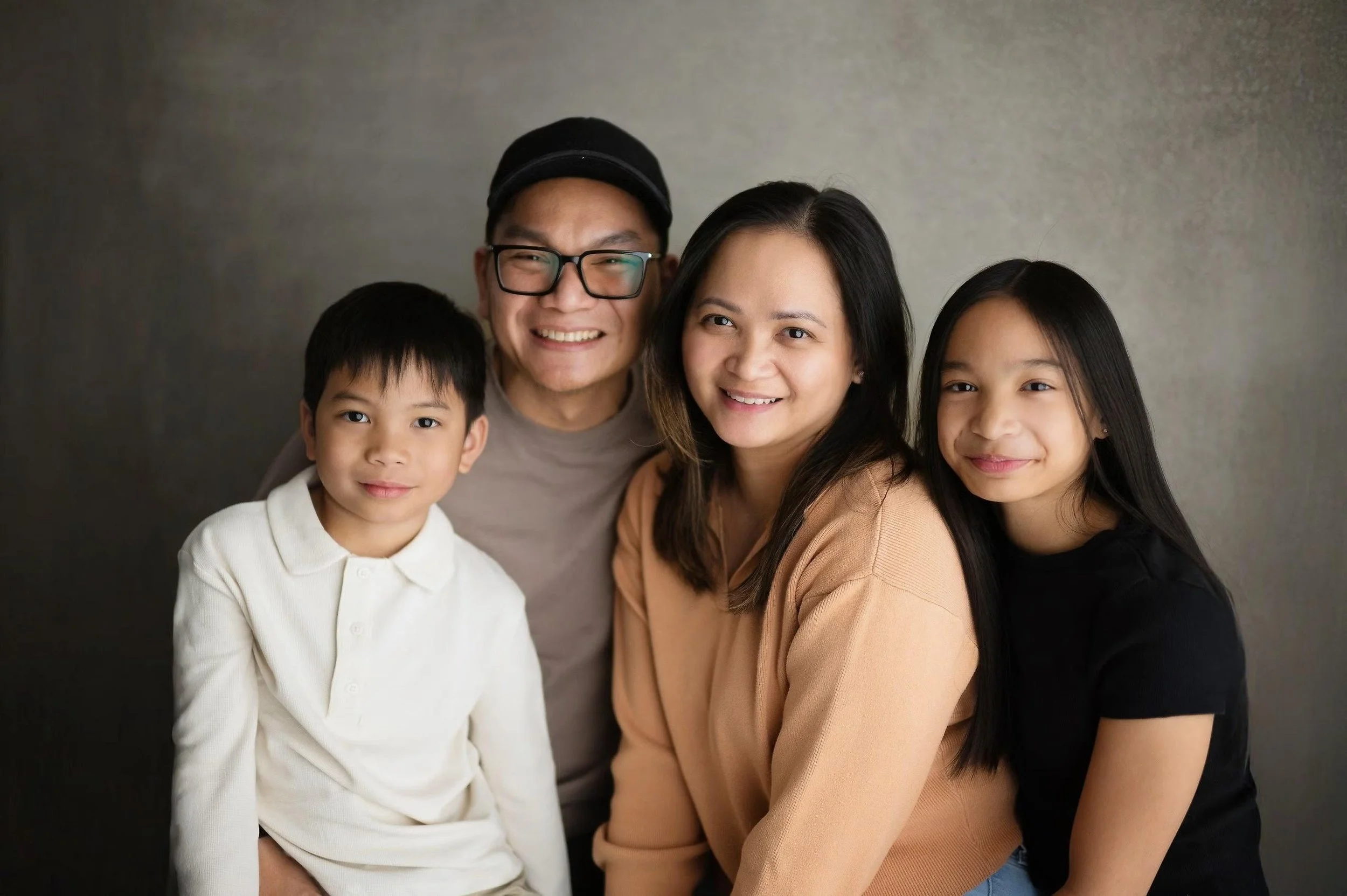
For Jasper’s family, having a home in Chorus is about belonging, where inclusion is the air they breathe, not just a lesson they teach their kids. Diversity and support are woven into daily life, shaping how they interact as a family and with their neighbours.
“We’ve come to embrace interdependence. Who truly lives completely independently? For us, it means acknowledging that we all need each other—sometimes for a season, sometimes for a reason.”
This mindset has transformed their family. Their children are growing up naturally empathetic and curious, seeing differences not as barriers but as bridges. They greet neighbours as neighbours, before any label like “senior” or “person with a disability.”
One story says it all: A simple hockey night invitation turned into a lasting friendship. Today, that neighbor is “Uncle” to Jasper’s kids. When he lent them his treasured Full House DVD set, they treated it with care because they understood its importance to him. That’s inclusion at its core—respect, connection, and shared humanity.
Living in Chorus feels like living in a village within the city. Neighbors know each other by name, share meals, and celebrate milestones together. It’s a reminder that we’re all connected and that connection makes life richer.
Why does this matter for Harmony?
Projects like Harmony build on this proven model. They create spaces where inclusion is core to the community instead of charity, where people with disabilities aren’t just receivers of support but contributors, friends, and neighbours. Your support builds these relationships, and those relationships ripple outward—shaping families, schools, workplaces, and the broader community.
Harmony is belonging. It’s resilience. It’s the future we all want—a future where everyone has a place and a purpose.